Create the Perfect Backyard Bird Feeding Haven
Unlock the secrets to attracting beautiful hummingbirds, selecting the best seeds, and creating a safe, welcoming environment for local birds right in your own garden.
Learn More About Us Contact UsOur Feeding Guides & Resources
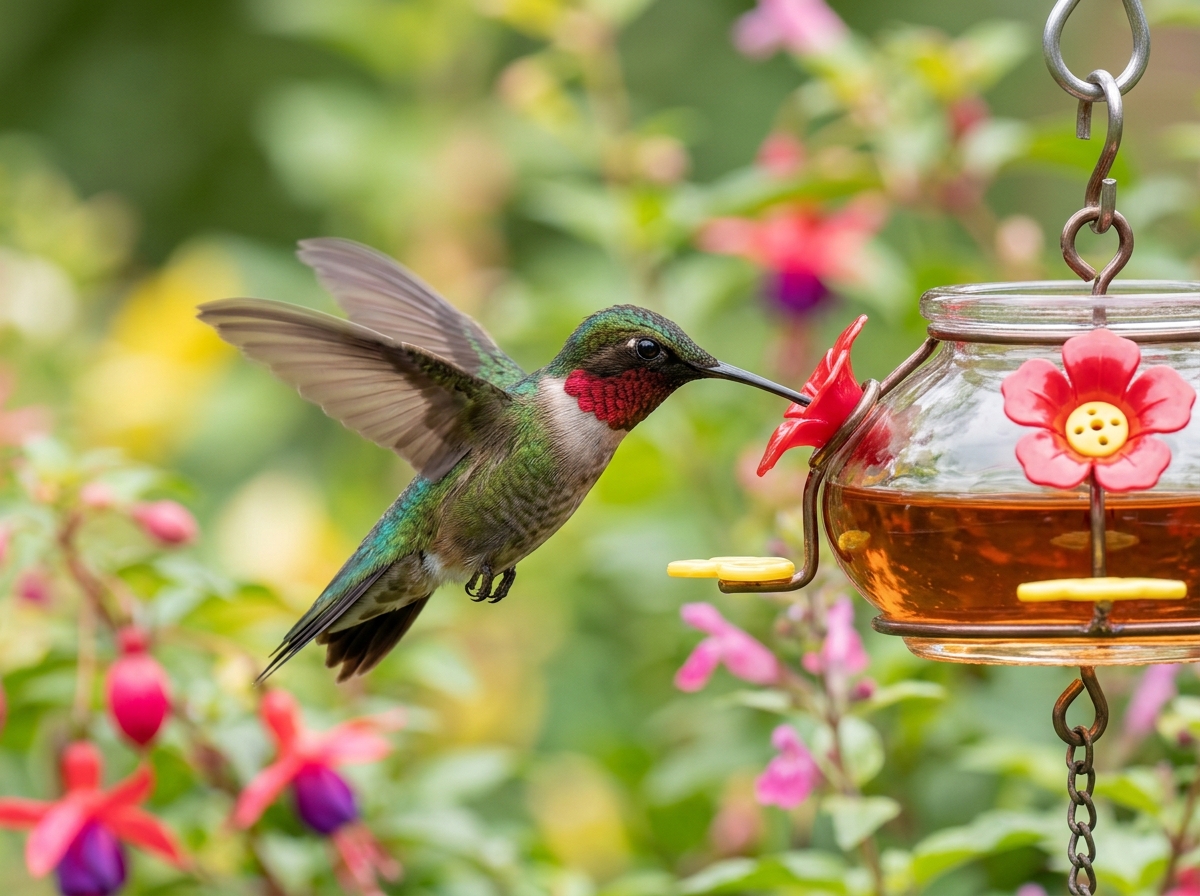
Hummingbird Attraction
Discover the best nectar recipes and feeder placements to bring these energetic, colorful wonders directly to your yard. Learn what flowers complement their diet.
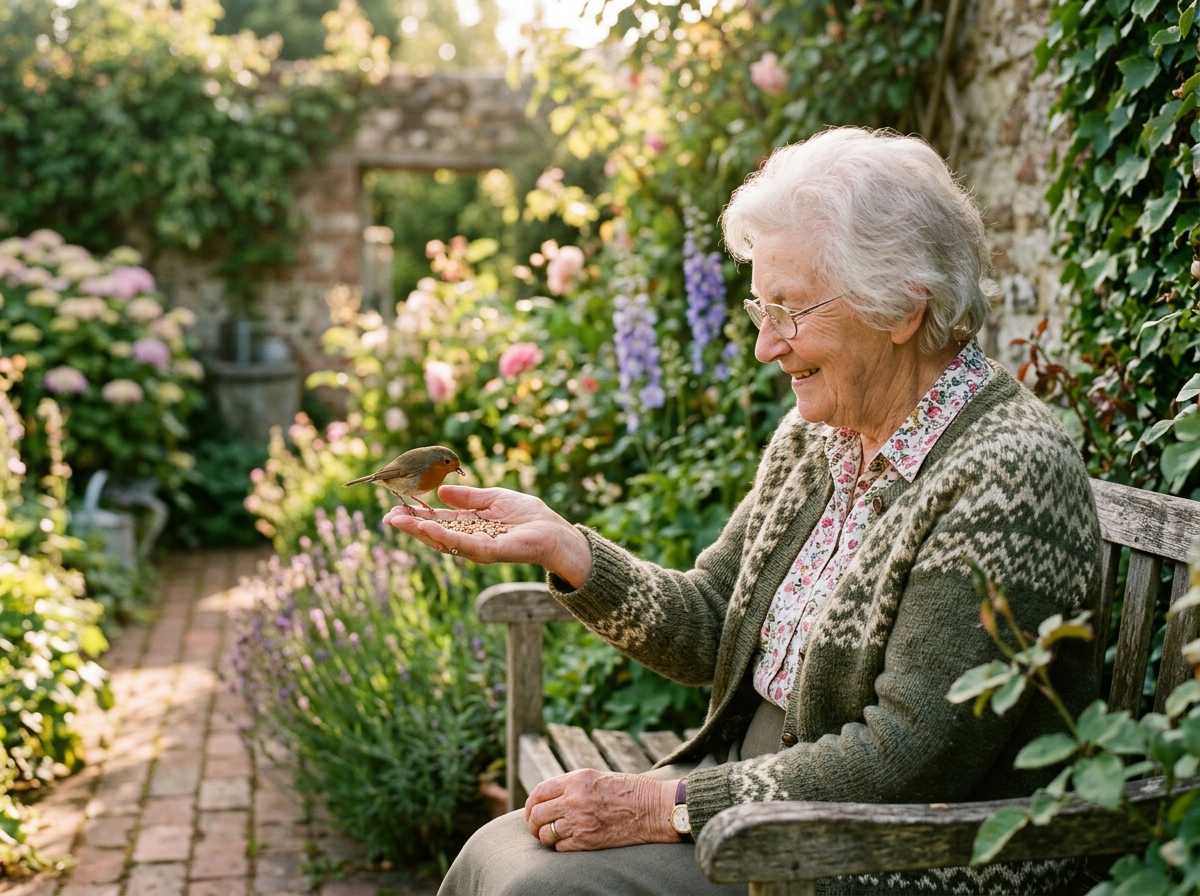
Gentle Bird Taming
Build trust with your local feathered friends through patient, rewarding techniques. Experience the joy of birds confidently feeding close to home.
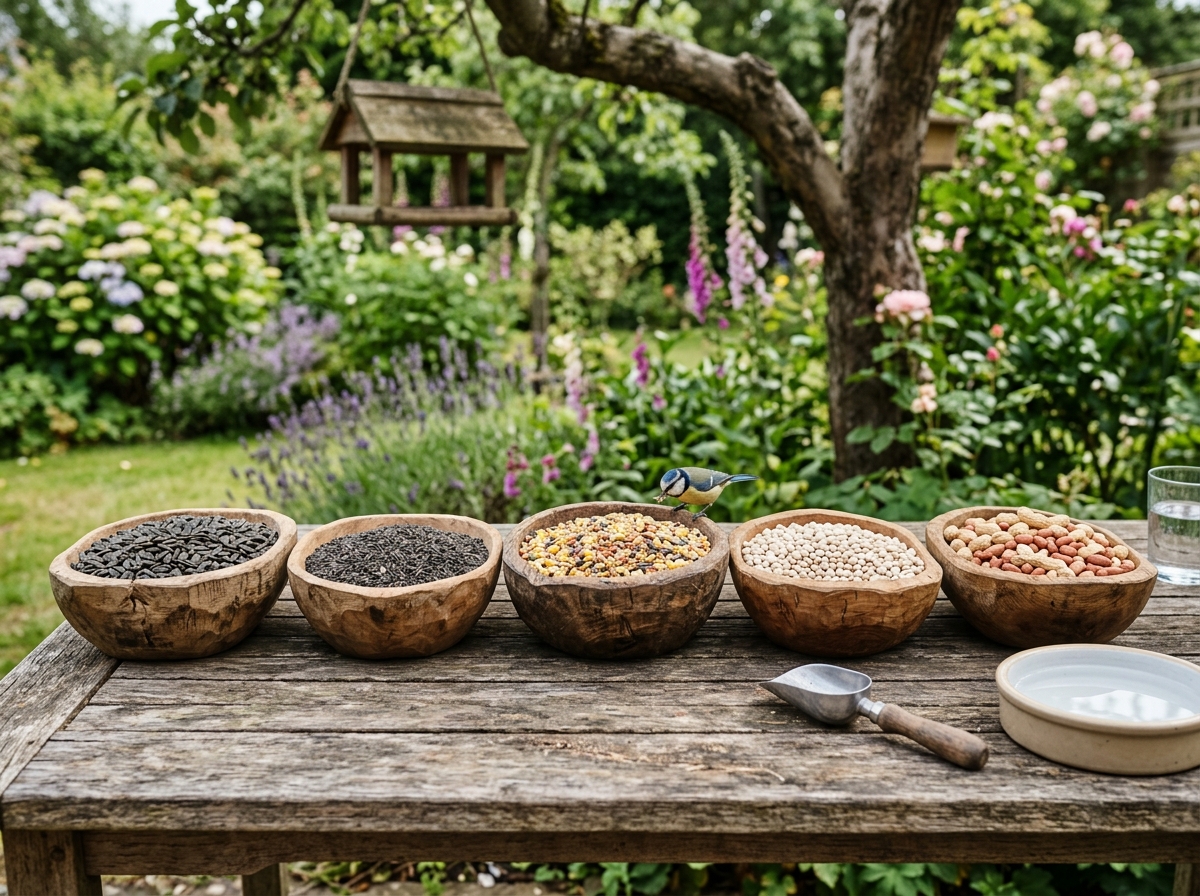
Premium Seed Selection
Not all seeds are created equal. Understand the nutritional needs of different species to provide a balanced, highly attractive diet year-round.
What Our Readers Say
"Thanks to Avian Haven Guides, my garden is now filled with cardinals and hummingbirds. Their nectar recipe advice was absolutely perfect for my setup."
"I never thought I could get wild birds to trust me so much. The gentle taming techniques outlined here are truly remarkable and so rewarding."
"The information on seed selection saved me so much time and money. I now know exactly what to buy to attract the specific birds I want to see."
Frequently Asked Questions
What is the best time of year to start feeding birds?
While you can start at any time, late autumn and winter are crucial times when natural food sources are scarce. Establishing your feeders before winter helps local bird populations significantly.
How often should I clean my bird feeders?
Feeders should be cleaned at least once every two weeks, or more frequently during wet weather or if you spot sick birds. Hummingbird feeders should be cleaned every few days, especially in hot weather.
Can I feed birds bread?
Bread is not recommended as it offers very little nutritional value and can fill birds up without giving them the energy they need. Stick to high-quality seeds, nuts, and suet.
How can I attract hummingbirds specifically?
Use specialized hummingbird feeders filled with a simple nectar solution (1 part white sugar to 4 parts water). Avoid red dye. Planting native, tubular flowers will also naturally attract them.